Learn the story of Hilton Head’s development.
Hilton Head Island, South Carolina is known today for its pristine beaches, world-class golf courses, and peaceful, natural beauty. But what truly sets it apart from many other coastal destinations is how carefully it has been developed. Unlike areas filled with high-rise hotels and crowded boardwalks, Hilton Head has followed a unique path, one that balances growth with preservation.
The story of Hilton Head’s development is not just about expansion, but about intention.
The Story of Hilton Head’s Development and Preservation
Early History and Isolation
Before Hilton Head became a popular destination, it was a relatively remote island. For much of its early history, it was home to Native American tribes, followed by European settlers who established plantations in the 18th and 19th centuries.
After the Civil War, the island remained quiet and largely undeveloped for decades. With limited access and infrastructure, Hilton Head was not yet on the radar for tourism or large-scale growth.
That isolation, however, would later become one of its greatest advantages.
The Vision of Charles Fraser
The turning point for Hilton Head came in the 1950s with Charles Fraser, a developer who saw the island’s potential, but approached it differently than most.
Instead of building dense resorts or commercial zones, Fraser envisioned a community that would work with the natural environment, not against it. His plan focused on preserving the island’s beauty while creating a high-quality visitor experience.
This vision led to the development of Sea Pines Plantation in 1956, one of the first master-planned communities in the United States.
"The island is calling, and I must explore." — Adapted from John Muir
A New Approach to Development
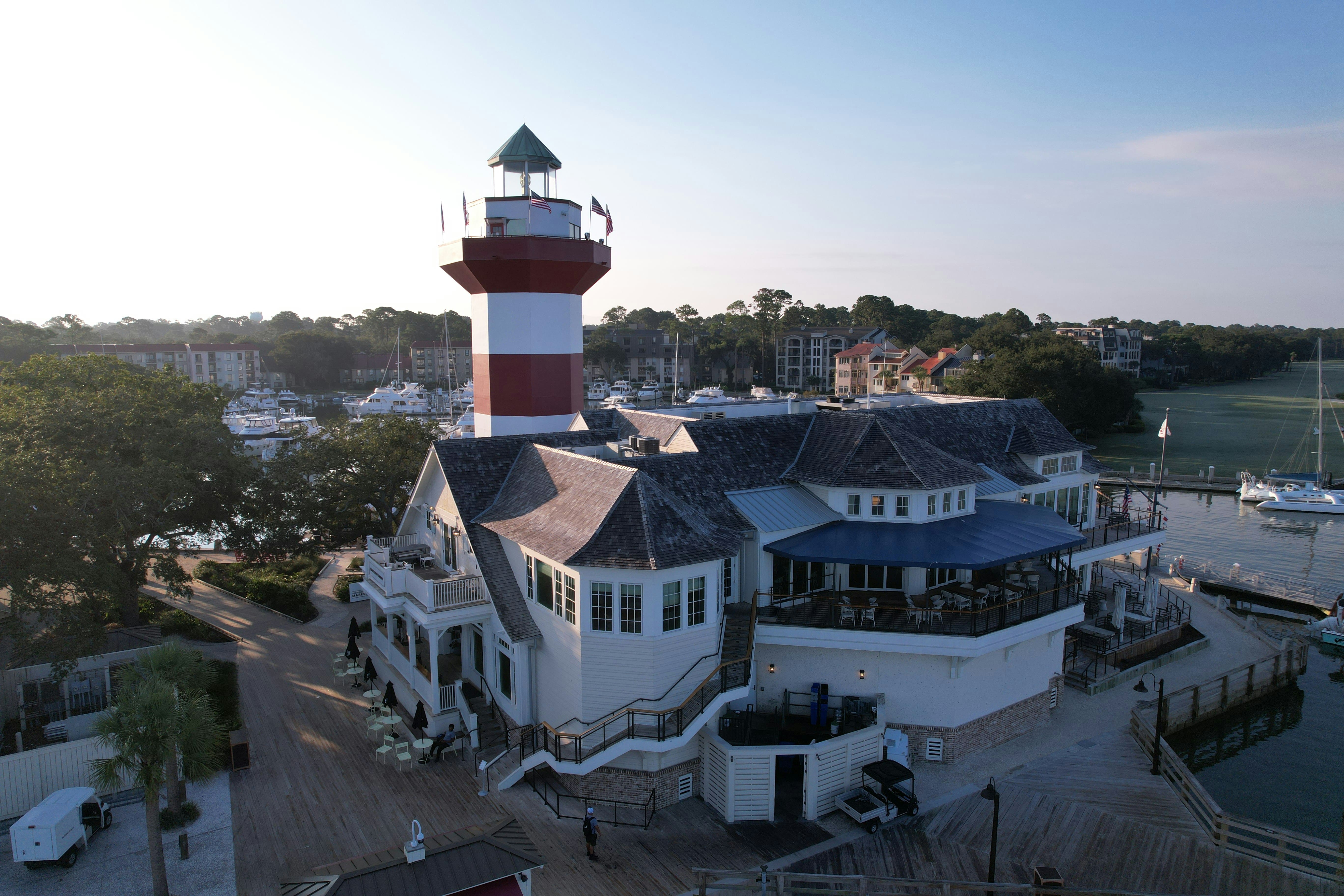
Sea Pines set the standard for how Hilton Head would grow. Roads were designed to follow the natural contours of the land. Large oak trees were preserved, not cleared. Buildings were kept low-profile and often hidden behind vegetation.
Commercial signage was minimized, and strict architectural guidelines ensured that development blended into the surroundings rather than dominating them.
This approach created a sense of harmony between the built environment and nature, something that still defines Hilton Head today.
Commitment to Preservation
As Hilton Head continued to grow in the 1960s and 1970s, the island maintained a strong commitment to preservation. Local leaders and planners recognized that protecting the environment was key to the island’s long-term success.
Zoning laws limited building heights, which is why you won’t find towering beachfront hotels here. Tree protection ordinances helped maintain the island’s dense canopy, and extensive bike paths were added to encourage low-impact transportation.
These decisions weren’t always the easiest or most profitable in the short term, but they helped preserve what made Hilton Head special.
Growth Without Overdevelopment
Over time, Hilton Head became a top destination for golf, family vacations, and outdoor recreation. Yet despite its popularity, it has avoided the overdevelopment seen in many coastal areas.
Resorts, communities, and amenities have been added thoughtfully, with an emphasis on space, privacy, and natural surroundings. The result is a destination that feels upscale but relaxed, developed, yet never overwhelming.
Visitors often notice this difference immediately, even if they can’t quite explain why it feels so distinct.
What It Means Today
Today, Hilton Head stands as a model for sustainable coastal development. Its success shows that growth and preservation don’t have to be opposites, they can work together when guided by a clear vision.
For visitors, this means enjoying wide beaches without towering buildings, shaded roads lined with trees, and a quieter, more natural atmosphere.
Final Thoughts
The story of Hilton Head’s development is really a story about balance. Thanks to early visionaries like Charles Fraser and a long-standing commitment to preservation, the island has managed to grow without losing its identity.
That’s what makes Hilton Head unique, and why it continues to be one of the most beloved coastal destinations in the United States.
Now, when you stay at a Hilton Head vacation rental, you can feel a connection with the area.